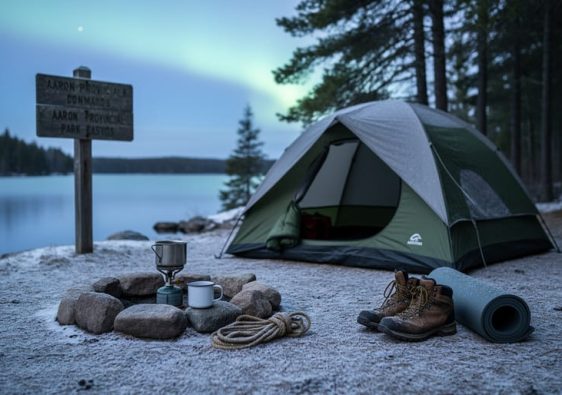
 beulah
Gap Point primitive campsites at Aaron Provincial Park are back-to-basics lakeside sites near Dryden, Ontario, meant for campers who’d rather trade hookups and hot showers for quiet water, open sky, and a fire at their own doorstep. If you’re comfortable packing in what you need and packing out what you bring, they’re a rewarding fit. If you want electrical service and a short walk to a comfort station, a serviced site elsewhere in the park will suit you better.
So what makes Gap Point worth the extra effort? Space, mostly. You get a taste of northwestern Ontario the way locals know it: loons calling at dusk, a shoreline made for casting a line, and the kind of dark that makes stargazing easy. It’s close enough to town for a quick resupply, yet far enough to feel like a real escape.
Below, you’ll find what the sites are like, what to see and do nearby, the planning basics, and a few local tips to help you settle in. Current fees, dates, and site details live with Ontario Parks, so check there before you book.
Why Gap Point Primitive Sites Are Worth a Look: Overview of the Aaron Park Experience
Aaron Provincial Park sits on the shores of Wabigoon Lake, a short drive from Dryden, which makes it an easy escape for locals and a handy stop for anyone travelling through northwestern Ontario. If you’ve never camped in this part of the province, think of it as a place where the boreal forest meets a big, open stretch of water, and where the pace slows down the moment you pull in.
“Primitive” is simpler than it sounds. It just means a rustic site with the basics left out on purpose: no hookups, no fancy extras, and a bit more elbow room between you and your neighbours. You bring what you need, and in return you get a quieter, more natural stay.
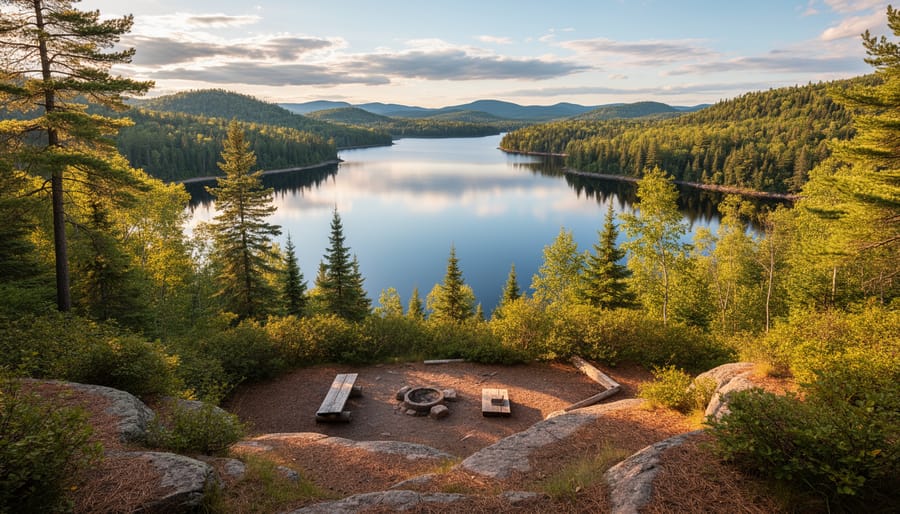
That’s the appeal of the gap point area. It tends to feel calmer than the busier parts of a campground, with the sound of wind in the trees, loons out on the lake, and the water close enough to wander down to at the end of the day. It’s a good fit for tent campers, paddlers, and anyone who’d rather listen to the woods than a generator.
These sites are one piece of a bigger picture. Aaron Provincial Park offers a main campground and day-use areas alongside the primitive options, all covered in our Aaron Provincial Park Camping and Day-Use Guide. If you’re also curious about visiting outside the summer months, our overview of 4-season Aaron camping shows how the park can work across the calendar.
Top Spots and Features Around the Gap Point Area
1. The Gap Point Primitive Campsites Themselves
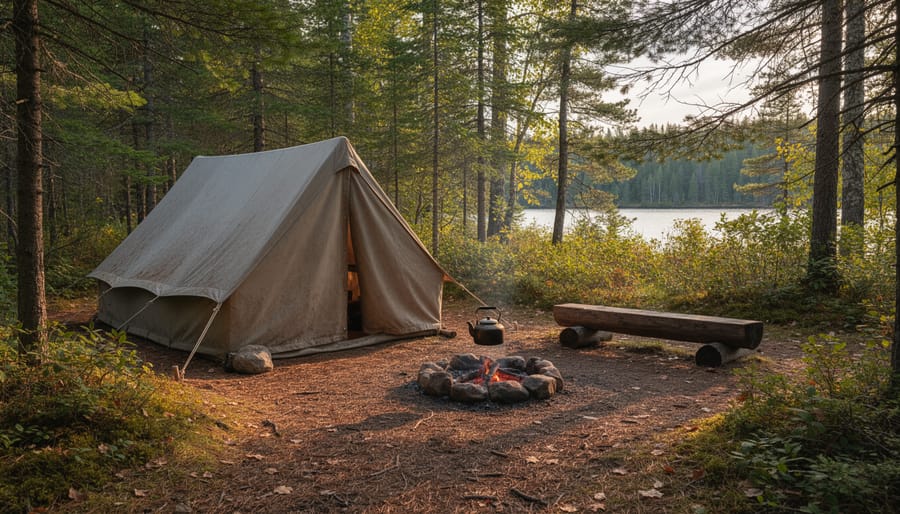
These sites are all about keeping things simple. Expect a rustic setup where you bring what you need and the bush provides the backdrop: trees for shade, soft ground underfoot, and the sound of wind and water instead of generators. It’s tenting-focused camping, so it suits people who like pitching a shelter and settling in without fuss.
Different campers will find different things to love. Tent campers get a quieter, more private-feeling stay. Small groups of friends or family can enjoy a relaxed base that’s away from the busier corners of the campground. Paddlers will appreciate being close enough to the water to start a morning outing without much planning.
Because layouts, facilities, and conditions can change, confirm current site details and what’s available directly with Ontario Parks before you book.
2. Wabigoon Lake Shoreline and Swimming Beach
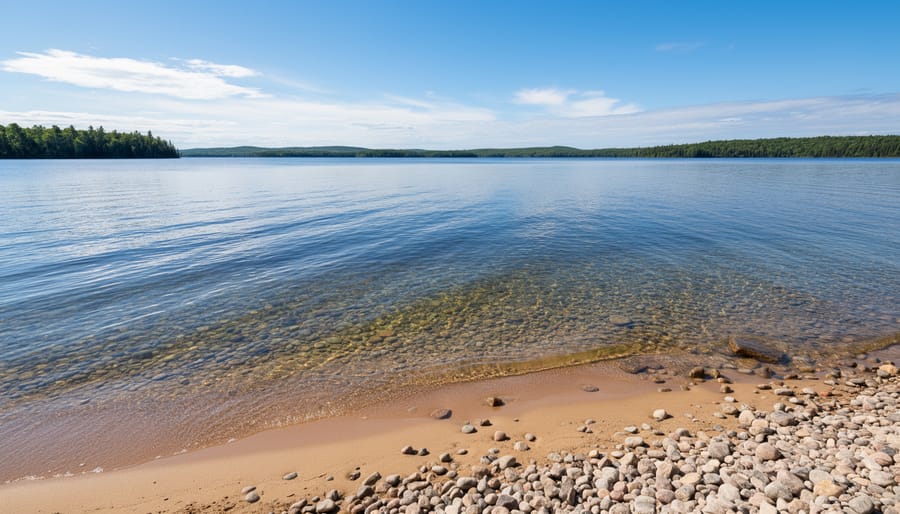
The Wabigoon Lake shoreline is a big part of why people choose to stay at Aaron Provincial Park. The park has a sandy beach with gently sloping, shallow water, which makes it a comfortable spot for a morning dip or an afternoon splash with the kids. Even if you’re not a swimmer, it’s a lovely place to sit with a coffee and watch the light change over the water.
Come evening, the lake really shines. Sunsets over Wabigoon can turn the sky soft shades of orange and pink, and the water mirrors it all back. Bring a folding chair and let the day wind down.
Keep in mind that water levels, temperatures, and beach conditions shift with the seasons and the weather, so check with the park for current conditions before you plan on swimming.
3. Fishing the Wabigoon Waters
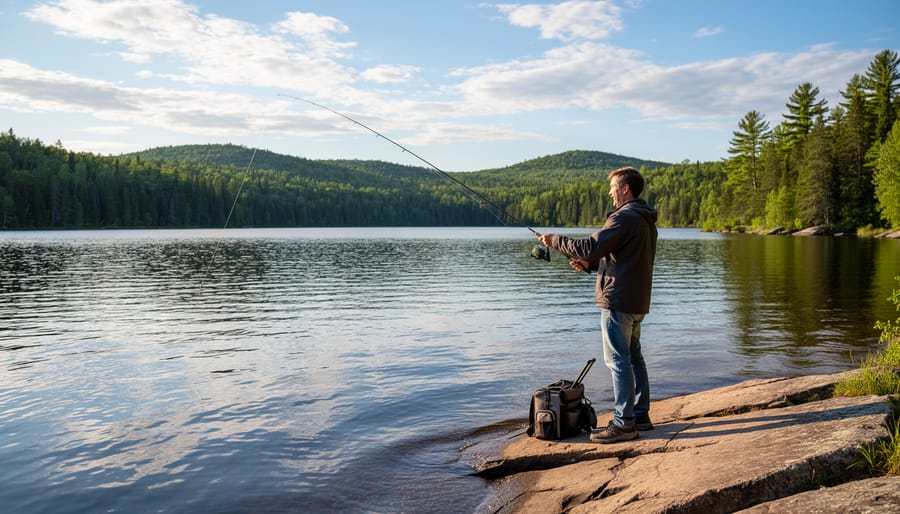
Wabigoon Lake has long been a favourite for Dryden-area anglers, and a stay at the gap point sites puts you within easy reach of the water. You can cast from the shoreline in the quiet hours of early morning, or launch a small boat and explore further out. Either way, you’re fishing the same big northern lake that locals have worked for generations.
Before you wet a line, you’ll need a valid Ontario fishing licence, and the rules change by species, season and area. Check the Fishing regulations for Zone 5 for current limits and what you’re allowed to keep.
Pack a few lures, a landing net and some patience, and let the lake set the pace.
4. Paddling and Launching a Canoe or Kayak
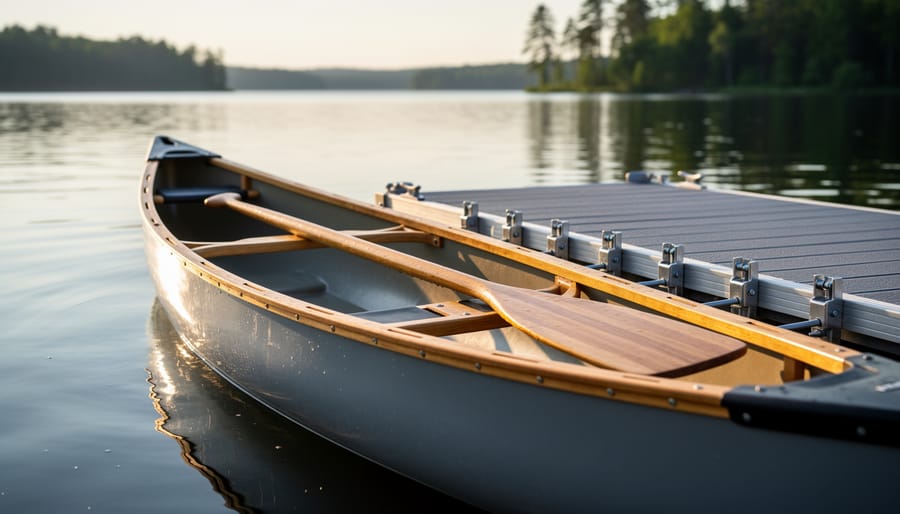
There’s a reason so many primitive-site campers show up with paddles strapped to the roof. Wabigoon Lake is at its best early, when the water lies flat and the shoreline slips by in near silence. Drift quietly and you might spot a loon, a heron picking along the shallows, or even a beaver heading home.
Safety matters on a big lake, though. Wind can build fast by midday, so check the forecast before you push off and stay close to shore. Carry a life jacket for everyone aboard, because you need to Carry appropriate lifejackets for each person in the boat. Wear yours rather than stowing it under a seat.
5. Walking Trails and Nature Watching
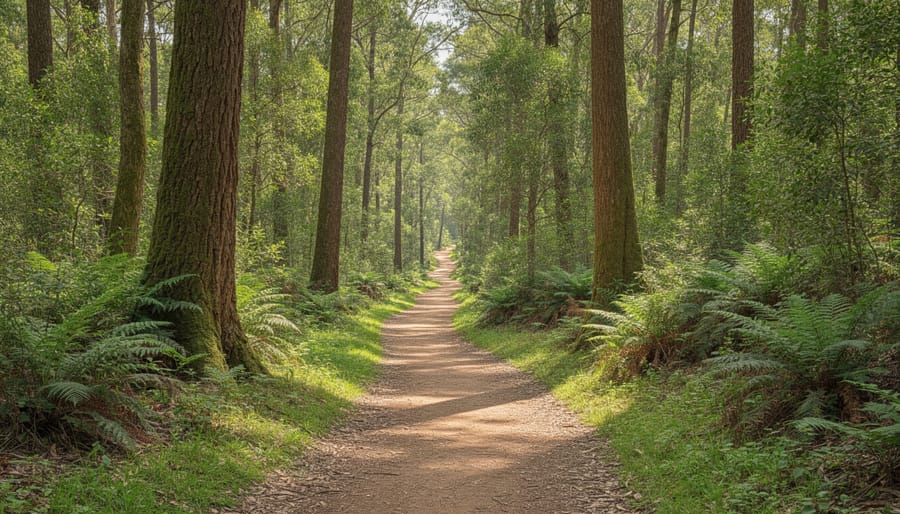
One of the easiest pleasures of a primitive stay is simply walking. After supper, lace up and wander the paths near camp as the light softens through the spruce, pine, and birch. The boreal forest rewards slow movement. Listen for the whistle of a white-throated sparrow, watch for woodpeckers working a dead trunk, and look down for wild blueberries, bunchberry, and other wildflowers that change with the season.
The park offers several short walks, so you can match the outing to your energy. Stick to marked paths, keep your voice low near dusk, and you’ll often hear more than you see: wind in the treetops, a distant loon, the hush of the north settling in. Pick up a park map when you arrive to see what’s nearby, and bring bug protection in summer.
6. Day-Use Areas and Picnic Spots for Visiting Friends and Family
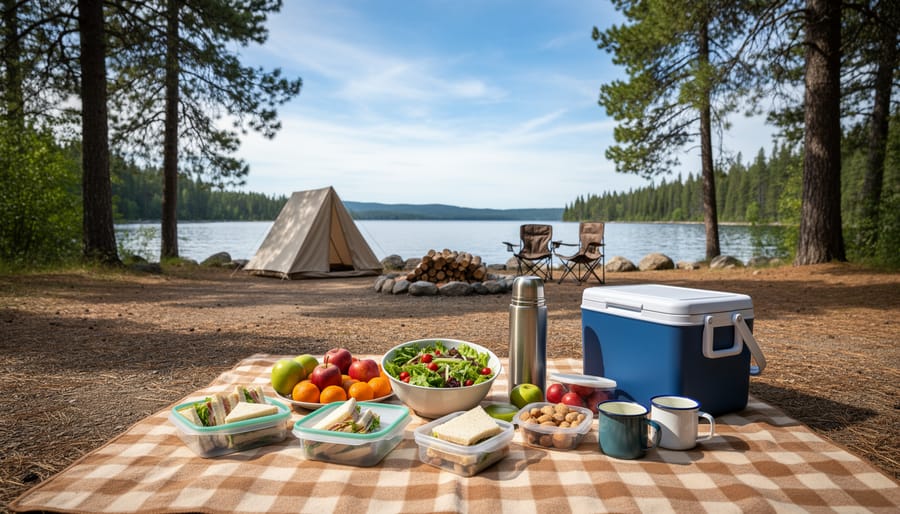
One of the nicest things about a primitive stay is how easily you can share it. Friends and family who aren’t sleeping over can still join you for the day, thanks to the park’s day-use areas, which are set up for picnics, lakeside visits, and an afternoon swim without any need for a campsite of their own.
Plan a simple setup: a couple of coolers, a few folding chairs, and a blanket on the grass near the water. Guests can arrive in time for lunch, enjoy the beach and shoreline, then head home before dusk while you settle back into the quiet of your own site.
Day-use access can have its own requirements, so it’s smart to check how visitors are handled before inviting a crowd. The Aaron Provincial Park Camping and Day-Use Guide is a handy place to start.
7. Starry Skies and Campfire Evenings
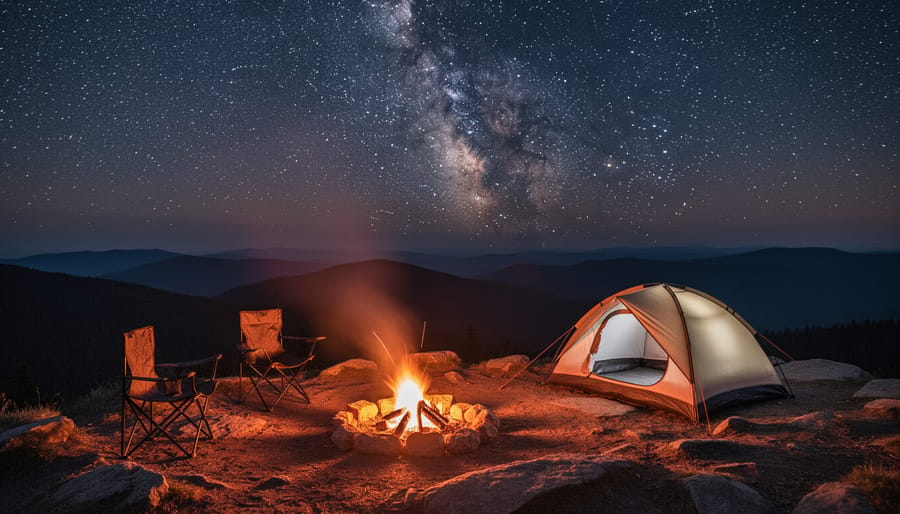
When the sun drops behind Wabigoon Lake, the quieter corner of the park starts to show off. Away from bright lights and busy roads, the sky fills in slowly, first a few stars, then more than you can count. On a clear night it’s worth lying back on a blanket and just looking up for a while.
Sometimes the northern sky adds a surprise. Northern lights are never guaranteed, but this part of Ontario gives you a fair chance on dark, clear evenings, so it never hurts to glance north before bed.
Listen, too. Loons call across the water, a sound that feels like the north itself, and the bush hums with its own night noises.
A campfire pulls it all together, with marshmallows, stories, and tired smiles. Before you light anything, check current fire restrictions with Ontario Parks, since conditions change with the season and the weather. Keep water nearby and put the fire fully out before you turn in.
Planning Your Stay: Getting There, Booking, and What to Pack
What to Bring for a Primitive Campsite
Packing for a primitive site is simpler than it sounds, because you’re mostly bringing the comforts the site doesn’t. If you’re comparing options, our guide to year-round campgrounds shows how other sites at the park differ.
- Tent with a rainfly and extra stakes, since lakeside wind can pick up fast.
- Sleeping bag and pad rated for cool northern nights, even in summer.
- Plenty of drinking water in sealed jugs, plus a way to treat extra.
- Camp stove, fuel, and a cooler with solid ice packs.
- Headlamp and spare batteries, because it gets properly dark out here.
- Bug jacket, repellent, and a screened shelter for the warmer months.
Pack it all in sturdy bins so it’s easy to carry and keep dry.
Local Tips for Making the Most of Your Gap Point Stay
Dryden is your best friend before you head out. Stock up on groceries, ice, and any forgotten gear in town so you’re not making a long run once you’ve settled in. If you’re after more seasonal camping tips that guide is a good companion read.
Bugs are part of northern camping in the warmer months. Pack a good repellent, bring long sleeves for dusk, and choose a breezy spot for your cooking area. Keep your food stored properly and out of reach, and give wildlife plenty of space, since this is their home first. Pack out everything you bring in so the next camper finds the site as quiet and tidy as you did.
When the trip winds down, build in a stop at one of Dryden’s local eateries or attractions before the drive home. It’s a nice way to round out a weekend in the bush. And if you’ve camped here yourself, we’d love to hear your story.
Are gap point sites good for first-time campers?
They can be, especially if you’re comfortable with a simple, no-frills setup. Check the current site details with Ontario Parks before you go.
Do I need to bring my own drinking water?
It’s smart to plan for your own supply at primitive sites. Confirm what’s available on arrival with Ontario Parks.
How do I reserve a site?
Sites are generally booked through the Ontario Parks reservation system. Visit their official page for current availability and details.
Whatever you pack, a little planning goes a long way up here.
Gap point primitive campsites ask a little more of you, and they pay it back in quiet mornings, lake air, and a sky that actually gets dark. Think of them as one piece of the bigger picture in the Aaron Provincial Park Camping and Day-Use Guide, where day-use beaches, picnic spots, and the main campground round out your options.
Before you pack the car, here’s a quick reference to keep handy:
| Topic | What to Know | Where to Confirm |
|---|---|---|
| Location | Aaron Provincial Park, on Wabigoon Lake near Dryden | Ontario Parks |
| Reservations | Booked through the Ontario Parks system | Ontario Parks |
| Best Time to Visit | Warmer months are most popular; plan around bugs and weather | Ontario Parks |
| Site Style | Rustic, tent-focused, close to nature | Ontario Parks |
| Facilities | Basic and limited, so pack accordingly | Ontario Parks |
Curious how the park looks beyond summer? Our guide to camping in all seasons is a good next read. Then pick your dates, check current details with Ontario Parks, and leave time to explore Dryden on the way in or out.