 beulah
Relocating to Dryden, Ontario requires three to six months of advance planning to secure housing, arrange transportation, and connect with essential services in this remote Northwestern Ontario community of roughly 7,500 residents. The move demands more preparation than settling in a major city because you’re choosing a resource-based town surrounded by boreal forest, two hours from Thunder Bay and positioned along the Trans-Canada Highway. Success here hinges on understanding what you’re gaining and what you’re trading away.
Many newcomers arrive for mining or forestry jobs, but the adjustment goes beyond employment. You’ll need a vehicle. Public transit doesn’t exist, and winter temperatures regularly dip below minus 30 Celsius. The nearest international airport sits 330 kilometers east, so travel planning takes on new meaning. Yet families who make Dryden work discover affordable housing, genuine community connections, and unmatched access to wilderness recreation within minutes of their front door.
The timing of your move matters considerably. Arriving in summer gives you months to establish routines before winter tests your preparation. Spring breakup turns some roads into obstacles, while fall offers stable weather and a chance to experience the area’s stunning color change before snow arrives.
This guide walks through each phase of relocating to Dryden, from initial research and logistics to finding your place in a tight-knit community where neighbors still know each other’s names. The town rewards those who come prepared and stay curious.
What Makes Dryden Different: Location Planning Essentials
Dryden sits 350 kilometers east of Winnipeg and 1,400 kilometers northwest of Toronto, a position that fundamentally shapes every relocation decision you’ll make. This isn’t a suburb with big-city amenities twenty minutes away. You’re moving to a wilderness city of roughly 7,500 people, surrounded by boreal forest, lakes, and genuine remoteness that demands a different planning approach.
The distance factor changes everything. Your nearest IKEA? Winnipeg, a four-hour drive. Specialist medical care often means traveling to Thunder Bay or beyond. Amazon deliveries take longer, and not every service that promises “Canada-wide” coverage actually reaches Northwestern Ontario reliably. When we talk about the ‘DR’ in relocation planning here, distance and remoteness aren’t just logistics headaches, they’re core realities that affect housing choices, career opportunities, and daily life rhythms.
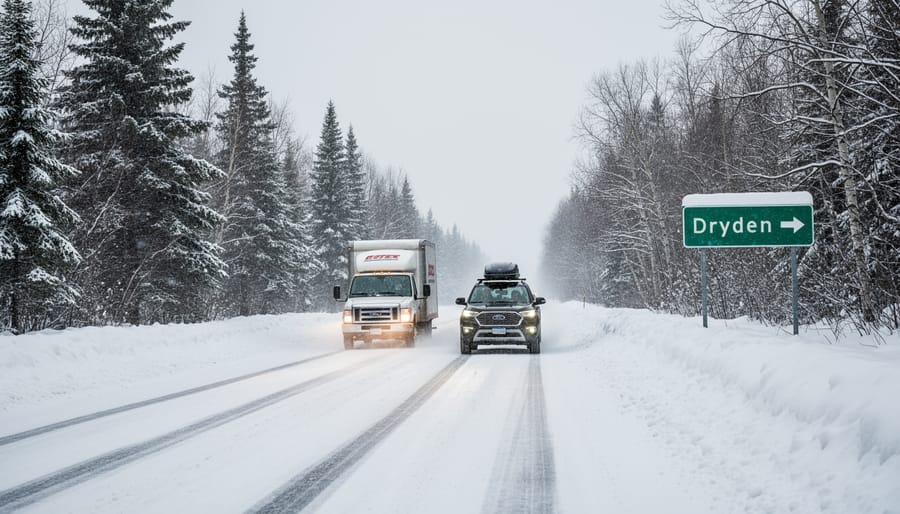
Climate planning matters more than you think. Dryden experiences genuine winter, with temperatures regularly hitting -30°C and snow covering the ground from November through April. Your vehicle needs a block heater. Your home needs proper insulation. Your wardrobe requires serious investment in quality winter gear. Summer brings glorious warmth and endless daylight, but also black flies in June and the occasional smoky week when forest fires flare up regionally.
Small-town infrastructure means trade-offs. Dryden has excellent outdoor recreation facilities, solid schools, and essential services, but limited shopping variety, fewer restaurant options than urban centers, and a pace that feels slow if you’re coming from metropolitan areas. The grocery store closes earlier. There’s one main shopping strip. Entertainment often means creating your own through community events, outdoor activities, or connecting with neighbors.
Standard relocation checklists built for moving between cities don’t account for these realities. Dryden requires adaptation, research specific to remote communities, and honest assessment of whether you’ll thrive in or struggle against the isolation.
Getting There: Transportation and Access Routes

Moving Your Belongings
Moving your belongings to Dryden requires more planning than a typical city-to-city relocation. Most major moving companies service the area, but you’ll want to confirm their experience with Highway 17’s long stretches and winter conditions. National carriers like AMJ Campbell and United Van Lines operate here, though expect 3-5 business days for delivery from southern Ontario rather than the overnight service you’d see between Toronto and Ottawa.
For smaller loads, you have options. U-Haul operates a rental location in Dryden if you’re handling the drive yourself, many newcomers combine this with our 4×4 van buying guide strategy, purchasing a vehicle in southern Ontario, loading it up, and driving north in one trip. Budget an extra day for the 1,400 km haul from Toronto.
Shipping specific items? Canada Post and Purolator reach Dryden reliably, though ground shipping takes longer than you’re used to. For furniture or bulk goods, freight companies like Day & Ross handle pallet shipments to the region.
Storage exists but is limited. Dryden has two main facilities: Stor-Mor and a smaller operation on Highway 502. Book early if you’re arriving in summer, when seasonal workers and construction crews compete for space. Many residents rent garage space from neighbours instead, ask around once you arrive.
The remote location means buffer time matters. Schedule your moving truck for a week after you arrive, not the day of, in case weather or mechanical issues cause delays on the long northern route.
Timing Your Relocation
Summer (late May through September) offers the easiest moving window to Dryden. Roads are clear, daylight stretches past 10 PM in June, and you’ll have months to settle before winter arrives. Most relocators choose July or August, trucks navigate Highway 17 without weather complications, and you can explore your new surroundings immediately. This timing also aligns with Dryden’s busiest employment season, making workplace transitions smoother.
Winter moves (November through March) present serious challenges. Temperatures drop to -30°C regularly, snowstorms can delay moving trucks by days, and unpacking in frigid conditions tests anyone’s patience. If winter’s unavoidable, late March offers a compromise, longer days, slightly milder temps, though road conditions remain unpredictable.
Spring breakup (April to mid-May) is Dryden’s worst moving period. Melting snow creates muddy chaos, potholes crater roads, and flooding occasionally closes sections of Highway 17. Avoid this window entirely if possible.
Fall (September to October) provides another decent option, cooler weather makes physical moving work easier, though you’ll face an immediate winter learning curve. Budget extra time for heating system familiarization and winter gear shopping before snow flies.
Setting Up Your New Life: Essential Services and Connections
Within a week of arriving in Dryden, you’ll need to tackle the administrative foundation that makes everything else possible. Start with utilities, Hydro One handles electricity across Northwestern Ontario, and you can arrange setup online or by phone before you arrive. Natural gas comes through Enbridge, though many Dryden homes rely on electric heating or propane. For water and waste services, contact the City of Dryden directly; setup is usually straightforward and tied to your address.
Internet and phone service matter more here than you might expect, given Dryden’s remote location. Bell and Tbaytel are your primary providers, with cable internet available through Shaw in some areas. Speeds won’t match Toronto or Winnipeg, but you can get reliable service for remote work and streaming. Call providers a few weeks ahead, installation appointments can take longer than in larger centers, especially during summer when seasonal residents return.
Banking is simpler than you’d think. Dryden has branches for the major banks, TD, RBC, Scotiabank, and BMO, plus a couple credit unions. If you’re transferring accounts, bring multiple pieces of ID and proof of your new address. Most newcomers keep their existing accounts and just update the address, which works fine for online banking.
Healthcare registration deserves attention early. Register for an Ontario health card at a ServiceOntario location if you’re new to the province, or update your existing card with your Dryden address. The Dryden Regional Health Centre is your primary care hub. Finding a family doctor can take time, so get on waiting lists immediately. Walk-in clinics fill gaps, but having a regular physician matters in a small community.
Here’s your essential first-month checklist:
- Arrange utilities (hydro, gas, water) before or immediately upon arrival
- Schedule internet installation 2-3 weeks ahead if possible
- Update your driver’s license and vehicle registration within 30 days
- Register for provincial health coverage and find a family doctor
- Set up banking and update account addresses
- Register children for school if applicable
- Connect with municipal services for garbage, recycling schedules
Driver’s license and vehicle registration require a ServiceOntario visit with proof of residency, a lease agreement or utility bill works. You have thirty days from establishing residency to update everything, though most people knock it out in the first week while momentum is high.
Don’t overlook smaller connections that smooth daily life. Register your pets with the city if required, familiarize yourself with garbage and recycling schedules, and save the non-emergency numbers for city services. The municipal office at 25 King Street becomes your go-to for local questions that don’t fit anywhere else. These administrative tasks feel tedious, but checking them off quickly frees you to actually enjoy your new home instead of scrambling to catch up months later.
Exploring Your New Home: Tourist Attractions Worth Knowing
Year-Round Activities to Ground You
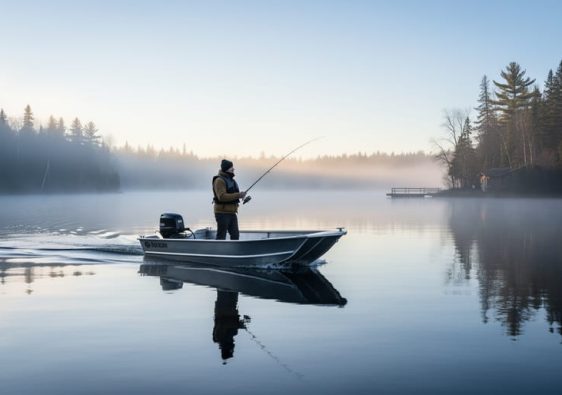
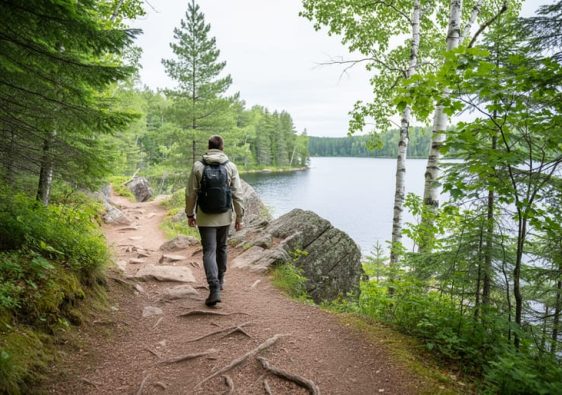
Getting into Dryden’s seasonal rhythm helps you feel at home faster than any unpacking schedule. Summer opens up endless fishing opportunities on Wabigoon Lake and the English River system, where you’ll quickly understand why people move here. The Dryden Trail becomes your workout partner from May through October, and local tourist camps often need part-time help if you want to earn while exploring.
Winter transforms everything. Cross-country skiing, snowmobiling, and ice fishing dominate the social calendar from December through March. Join the curling league at the Community Centre or hit the hockey rink where you’ll meet half the town. Spring and fall shoulder seasons bring quieter hiking, spectacular color changes, and hunting opportunities that bond newcomers with long-time residents over shared stories.
The key is picking one activity per season to commit to. Show up regularly, whether that’s Thursday trail walks or Saturday morning fishing. People remember faces they see consistently. Use the local tourism office to choose tour options that match your interests, then graduate to doing them independently. Within six months, you’ll have standing weekend plans and a circle of people who check if you made it through the last storm okay.
Building Your Dryden Network
Moving to Dryden means entering a community where your face becomes familiar within weeks, not years. This tight-knit dynamic offers genuine advantages if you understand how small-town social networks operate.
Start by showing up. Dryden residents notice who participates. Join the Dryden Curling Club, attend Rotary meetings, or volunteer at the Dryden Fall Fair. These aren’t just activities, they’re where actual relationships form. Sarah Mitchell, who relocated from Toronto in 2024, notes: “I volunteered at one Fish Festival event and suddenly had five coffee invitations. People here actually want to know you.”
Workplace integration happens faster in Dryden than urban centers. Your colleagues are also your neighbors, your kids’ teachers’ relatives, and your hockey league opponents. This overlap feels intense initially but creates natural connection points. Embrace the reality that work relationships extend beyond office hours, grabbing a beer after shift or attending coworker family events isn’t obligation, it’s how community bonds strengthen.
The Facebook groups matter more than you’d expect. Dryden Community Classifieds and Dryden Buy & Sell aren’t just marketplaces, they’re community pulse-checks where you learn who needs help, what’s happening this weekend, and how locals communicate.
Don’t wait for invitations. Knock on your neighbor’s door with coffee. Ask the person at the grocery store for restaurant recommendations. Small towns reward initiative, and standoffishness reads as unfriendliness rather than privacy preference.
Mike Kowalski, who moved for forestry work in 2025, sums it up: “Stop treating Dryden like it’s temporary, even if you think it is. The network you build here becomes surprisingly valuable, professionally and personally.”
Common Relocation Challenges (and How to Handle Them)
Moving to Dryden means embracing a lifestyle that’s genuinely different from urban Canada, and pretending otherwise sets you up for frustration. The challenges are real, but they’re also manageable when you know what’s coming and plan accordingly.
The remoteness hits harder than most newcomers expect. You’re two hours from Thunder Bay, four hours from Winnipeg, and suddenly “running to the store” requires actual planning. That spontaneous Saturday shopping trip? Not happening. The adjustment means learning to stock up, order online with patience (shipping takes longer), and appreciate what the local retailers do offer. Many successful relocators treat quarterly Thunder Bay runs as mini-adventures rather than chores.
Winter presents the second major hurdle. We’re talking genuine cold, minus thirty Celsius stretches where your car needs to start reliably and your clothing needs to perform. Block heaters aren’t optional. Remote starters become your best friend. That first winter feels long, especially if you’re from southern Ontario, but by year two, you’ll have your systems down: proper gear, winter hobbies that get you outside, and acceptance that March can still surprise you with snow.
The limited services shock some people. No major chain stores beyond the essentials. Fewer restaurant options. Healthcare appointments that sometimes require travel. Entertainment that you create rather than consume. But here’s the flip side, this Ontario wilderness gateway offers what cities can’t: real community, accessible nature, and a pace that prioritizes living over rushing.
Pros
- Affordable housing with actual yards and space to spread out.
- Tight-knit community where neighbors genuinely know and help each other.
- Immediate access to world-class fishing, hunting, and outdoor recreation.
- Lower cost of living overall despite some higher individual prices.
- Kids grow up with independence and outdoor skills city children rarely develop.
Cons
- Shopping selection requires online ordering or regular trips to larger centers.
- Specialist healthcare often means travel to Thunder Bay or Winnipeg.
- Harsh winters with extended cold periods and significant snow management.
- Career options are limited to specific industries like forestry, mining, and government.
- Cultural events and entertainment options are sparse compared to urban areas.
The social adjustment surprises people too. Small-town dynamics mean everyone eventually knows your business, which feels invasive until you realize it also means built-in support networks. Your mechanic might be your kid’s hockey coach. Your neighbor might work at the hospital. These connections become lifelines during emergencies and make integration faster than any city apartment building ever could.
Combat isolation by joining things immediately. Sports leagues, volunteer groups, church if that’s your thing, commit to one or two within your first month. The people who struggle are those who hole up waiting for Dryden to feel like home. It won’t, until you participate.
Your First 90 Days: A Relocation Roadmap
Your first three months in Dryden set the foundation for everything that follows. Think of this period as structured discovery rather than rigid checklist completion, you’re building routines while staying open to what the community offers.
Month One: Establish Your Base
Your priority is creating a functional home. Get utilities stabilized, internet connected (crucial for maintaining outside connections), and your basic errands mapped out. Identify your grocery store, gas station, pharmacy, and bank. Drive around town systematically, Dryden’s compact layout means you can learn the entire grid in a few trips. Register for health services early; wait times exist, so don’t postpone.
Make one social gesture this month. Introduce yourself to a neighbor, visit a coffee shop twice, or attend a drop-in recreation program. You’re not trying to build deep friendships yet, you’re establishing that you exist here.
Month Two: Expand Your Territory
Now explore beyond daily necessities. Visit Aaron Provincial Park, drive out to the Dryden District Museum, walk the trails you’ve been eyeing. Sample restaurants you haven’t tried. If you’re working, accept lunch invitations from colleagues. Join one group that aligns with your interests, whether that’s fitness classes, a book club, or a hobby organization.
This month tests your winter gear if you’ve moved in cold season, or introduces you to summer’s outdoor possibilities. Use this time to adjust your expectations, Dryden operates at a different pace, and resisting that rhythm creates friction.
Month Three: Build Your Rhythm
By now, you should have favorite spots and familiar faces. Deepen one or two connections, invite someone for coffee, volunteer for a community event, or simply chat longer with the regular folks you encounter. Establish patterns that reflect how you actually want to live here, not how you thought you would.
If you’re still fighting the remoteness or small-town aspects, that’s your signal to problem-solve rather than suffer. Most relocation regrets come from passivity, not from Dryden itself.
Moving to Dryden isn’t just about changing your address. It’s about stepping into a life where wilderness meets community, where your neighbors actually know your name, and where the northern lights replace city skyline views. The relocation planning we’ve covered throughout this guide exists for one reason: to help you skip the stumbles and start enjoying Northwestern Ontario from day one.
Yes, Dryden requires adjustment. The remoteness that initially feels isolating becomes the very thing you treasure when you’re casting a line on Aaron Lake at sunset or hiking the trails without another soul in sight. The planning steps, the checklists, the careful timing of your move are simply tools to fast-track you past the logistical headaches straight to the good stuff.
Your successful relocation to Dryden starts with accepting that this place operates differently than southern Ontario cities. Once you embrace that difference rather than fight it, you’ll discover why people who move here tend to stay. The community welcomes those who come prepared and open-minded.
Pack your winter gear, map your route west on Highway 17, and get ready. Northwestern Ontario has been waiting for you.