 beulah
The Dryden Trail is a 3.5-kilometer loop that winds through mixed boreal forest and rocky outcrops on the northeastern edge of Dryden, offering hikers a moderately easy route with rewarding views of Van Horne Lake and the surrounding Canadian Shield landscape. Most visitors complete the loop in about 90 minutes to two hours, making it an ideal half-day adventure whether you’re passing through town or looking for a quick escape into nature without committing to a full-day excursion.
What sets this trail apart from other paths in the region is its accessibility combined with genuine wilderness character. You’ll encounter smooth sections of packed earth perfect for families, alongside more rugged terrain where exposed bedrock and tree roots keep things interesting for experienced hikers. The trailhead sits just off Highway 17, roughly four kilometers east of downtown Dryden, with a small parking area that fills quickly on summer weekends.
Local hikers know the trail transforms dramatically through the seasons. Spring brings rushing creeks and wildflowers pushing through last year’s leaves, while autumn turns the forest canopy into a spectacular show of gold and crimson. Even in summer 2026, when Ontario’s northwestern trails can get busy, the Dryden Trail maintains a peaceful atmosphere. You’re more likely to spot white-tailed deer or hear the haunting call of a loon than encounter crowds.
Sarah Chen, who moved to Dryden three years ago, puts it simply: “This trail gave me my first real taste of the boreal forest. It’s not intimidating, but it’s absolutely the real thing.”
What Makes the Dryden Trail Different
The Dryden Trail stands out among Northwestern Ontario’s hiking options for one simple reason: it brings the best of the boreal wilderness right to your doorstep without demanding the commitment of a full-day backcountry expedition. Located just minutes from downtown Dryden, this trail offers something increasingly rare, genuine wilderness immersion that’s accessible to anyone, whether you’ve been hiking for decades or you’re lacing up your boots for the first time this season.
What really sets this trail apart is how it manages to feel both welcoming and wild. The well-maintained path winds through a landscape that showcases the region’s signature geography: dense stands of jack pine and black spruce open onto sections of exposed Canadian Shield bedrock, and you’ll catch glimpses of wetlands where the forest meets water. It’s the kind of scenery that defines Northwestern Ontario, but condensed into a hike that doesn’t require specialized gear or extreme fitness.
The trail’s design makes it genuinely versatile. Families with younger kids can tackle the initial sections comfortably, while those looking for more of a workout can push deeper into the system where the terrain becomes more challenging. You won’t find the crowded conditions that plague some popular trails closer to larger centres. On weekday mornings especially, you might have long stretches entirely to yourself, just you, the forest, and the sound of your own footsteps on the path.
The trailhead’s proximity to town also means you can decide to hike on a whim. Forgot your water bottle? Need better socks? Everything you need is a five-minute drive away. That convenience doesn’t diminish the experience, once you’re on the trail, the busy world feels remarkably distant.
Trail Details You Need to Know
Getting to the Trailhead
The Dryden Trail’s main trailhead sits just off Highway 17, approximately 3 kilometers east of downtown Dryden. If you’re coming from the town center, head east on Government Street until it merges with the highway, then watch for the clearly marked trailhead sign on your right.
A well-maintained gravel parking lot accommodates about 15 vehicles and rarely fills up, even on summer weekends. There’s no parking fee, and the lot is plowed regularly during winter months for year-round access.
For visitors without a vehicle, the trail is reachable by bicycle from downtown in about 20 minutes via the highway shoulder, though you’ll want to exercise caution during busy traffic periods. A few local accommodation providers offer shuttle services to popular trailheads if you ask in advance.
The trailhead features an information kiosk with a detailed map, basic trail guidelines, and a registry box where hikers can sign in, a smart safety practice, especially if you’re hiking solo. You’ll also find a portable toilet facility maintained from May through October.
What to Expect on the Trail
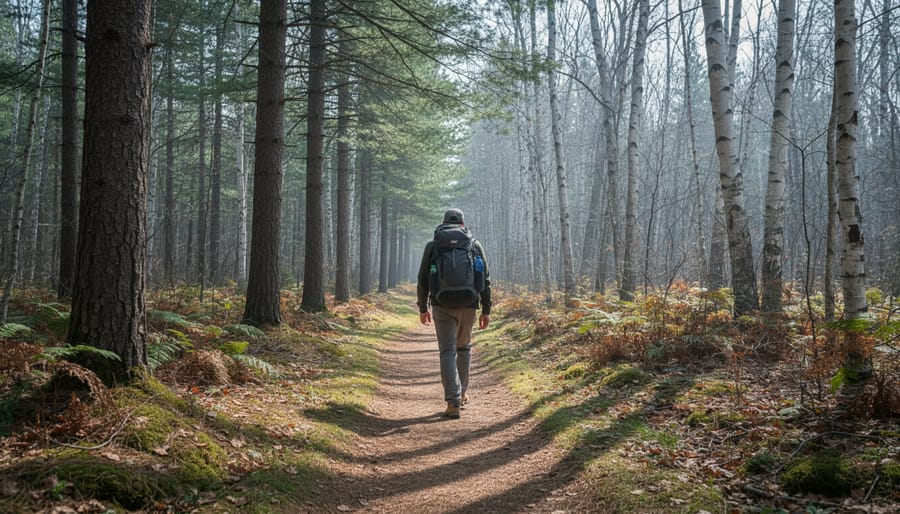
The Dryden Trail opens with a well-maintained path that’s easy on the knees, gradually transitioning from packed gravel to a softer dirt track as you move deeper into the forest. You’ll notice the terrain shift underfoot, roots become more prominent, and the occasional rocky section requires a bit of attention, though nothing that demands scrambling or special footwear beyond sturdy hiking boots.
About a kilometer in, the trail skirts the shoreline of a small lake where you’ll find a natural clearing perfect for catching your breath. Many hikers pause here to snap photos of the water or refill their bottles. The path then curves inland, climbing gently through a mixed forest of spruce and birch. These slight elevation changes add variety without exhausting you.
Watch for the large granite outcrop around the halfway point, it’s a natural landmark that signals you’re making good progress. From there, the trail levels out again, winding through more open sections where wildflowers bloom in summer and the canopy thins enough to let in generous sunlight.
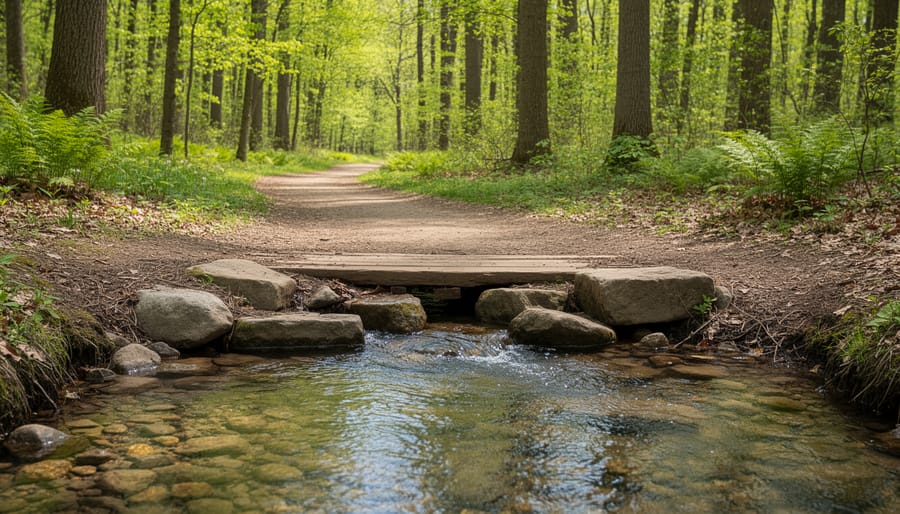
There aren’t formal rest areas with benches, but fallen logs and strategically placed boulders offer plenty of spots to sit. The trail is well-marked with occasional blazes on trees, so getting lost isn’t a concern even when the path briefly forks around wet patches after heavy rain.
The Best Times to Hike the Dryden Trail
The Dryden Trail shines year-round, but each season delivers a completely different experience. Your ideal visit depends on what you’re hoping to find out there.
Summer (June to August) brings the easiest hiking conditions, with trail surfaces dry and stable. Temperatures hover between 18-25°C, perfect for comfortable walking without layers. You’ll share the trail with more visitors during these months, especially on weekends, but mornings before 9 a.m. stay quiet. The forest canopy provides decent shade, though bring extra water during July heat waves. Wildflowers peak in late June and early July, painting the understory with bursts of colour.
Fall (September to October) transforms the trail into something magical. The mixed hardwood sections explode with oranges, reds, and yellows that Northwestern Ontario does so well. Crowds thin out after Labour Day, giving you longer stretches of solitude. Temperatures drop to 10-15°C, ideal for maintaining a steady pace without overheating. Pack layers, mornings can be crisp.
Winter and spring present challenges. Heavy snow from November through March makes the trail inaccessible unless you’re equipped for snowshoeing or cross-country skiing. Spring (April to May) brings mud season, trails turn sloppy and unpredictable as snowmelt saturates the ground. Black flies emerge in late May, making early summer hikes less pleasant until they subside by mid-June.
Most locals recommend September or early October for the complete package: comfortable weather, stunning colours, fewer bugs, and the trail largely to yourself.
Wildlife and Natural Scenery Along the Way
The Dryden Trail delivers the kind of raw Northwestern Ontario wilderness that makes you stop mid-stride and just look around. You’re walking through boreal forest, thick stands of black spruce, jack pine, and trembling aspen that rustle even in the slightest breeze. In spring and early summer, the forest floor comes alive with wildflowers: wild roses, fireweed, and clusters of bunchberry dotting the undergrowth.
Keep your eyes open and you’ll likely spot white-tailed deer, especially during early morning or evening hikes. Black bears roam these woods too, though they typically keep their distance if you make a bit of noise as you walk. Overhead, you might catch sight of bald eagles or hear the distinctive call of a common loon echoing from nearby wetlands. Smaller residents like red squirrels and chipmunks are constant companions, chattering from the trees.
The trail offers several natural viewpoints where the forest opens up to reveal sweeping vistas of the surrounding landscape. These clearings provide perfect photo opportunities, particularly during autumn when the deciduous trees explode in shades of gold and crimson. One stretch passes along a wetland area where beavers have built an impressive dam system, you can often see their lodges and the stumps of trees they’ve gnawed through.
This ecosystem represents classic Canadian Shield terrain, where ancient bedrock surfaces between patches of thin soil. The area serves as important habitat for dozens of bird species during migration season, making spring and fall especially rewarding for nature enthusiasts. Bring binoculars if you’re interested in wildlife watching, and always maintain a respectful distance from any animals you encounter.
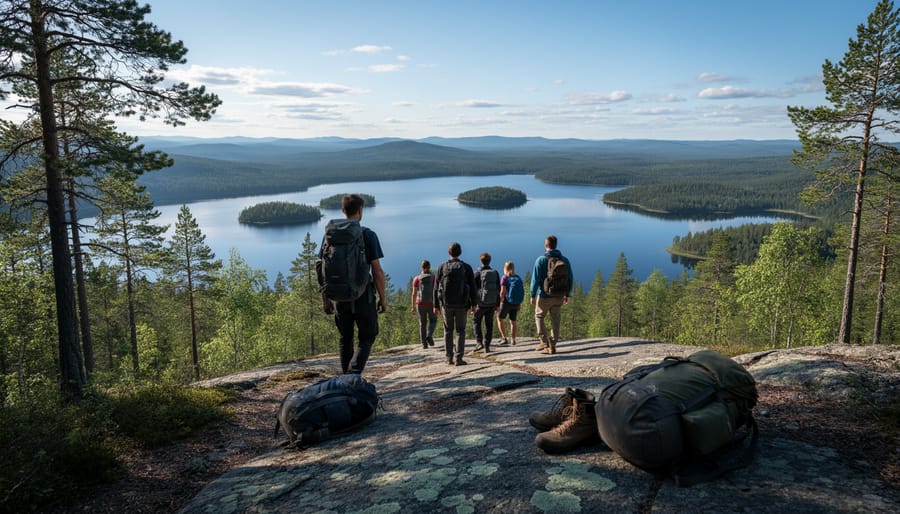
What to Bring for Your Hike
Proper preparation makes all the difference between a great hike and a frustrating one. The Dryden Trail doesn’t require specialized mountaineering gear, but bringing the right essentials ensures you can focus on enjoying the scenery rather than dealing with preventable problems.
Start with sturdy footwear, hiking boots with good ankle support and grip work best, especially after rain when sections of the trail can get muddy. The terrain shifts between packed earth and rockier patches, so you’ll want something that handles both confidently. During spring and early summer, waterproof boots become even more valuable.
For a trail of this length, you’ll want at least one liter of water per person, more if you’re hiking in warm weather or bringing kids who tend to drink more frequently. Pack high-energy snacks like trail mix, granola bars, or fruit that won’t get crushed in your pack.
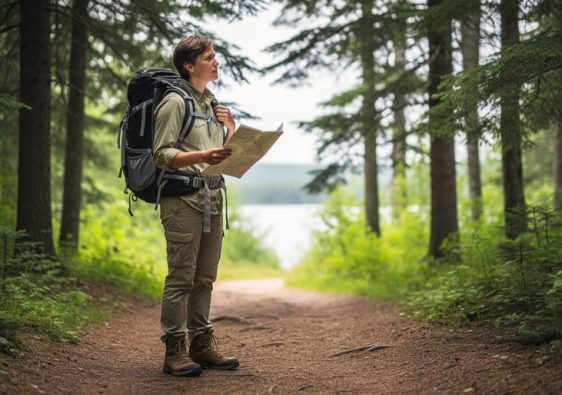
- Navigation tools: GPS device or phone with downloaded offline maps, plus a backup paper map
- First aid kit with bandages, pain relievers, and any personal medications
- Sun protection: hat, sunglasses, and SPF 30+ sunscreen
- Insect repellent containing DEET, mosquitoes and blackflies are persistent from May through August
- Weather-appropriate layers: lightweight rain jacket and an extra fleece or sweater
- Fully charged phone for emergencies and photos
- Whistle for signaling if needed
- Small flashlight or headlamp in case you’re out longer than expected
Don’t forget a small garbage bag to pack out any trash, keeping the trail pristine matters to the community and future hikers. A basic camera or smartphone captures those memorable moments at the lookout points, and binoculars add another dimension if you’re interested in spotting wildlife at a distance.
Local Voices: What Hikers Say About the Dryden Trail
Nothing captures the spirit of a trail quite like the people who’ve walked it. The Dryden Trail draws hikers back season after season, and their stories reveal why it holds such a special place in the hearts of both locals and visitors.
Sarah Mitchell, a Dryden resident who hikes the trail weekly, describes it as her “reset button.” She notes that even after dozens of trips, she always notices something new, whether it’s the way morning light filters through the pines or fresh animal tracks near the creek crossing. For her, the trail’s familiarity breeds comfort rather than boredom.
Visitors often share a sense of pleasant surprise. Tom Brekke, who discovered the trail during a fishing trip from Thunder Bay, admits he didn’t expect much from what seemed like a “quick nature walk.” Instead, he found himself captivated by the viewpoint overlooking Eagle Lake and stayed far longer than planned. He’s since brought his family back twice.
Local educators regularly bring school groups to the trail, appreciating how manageable it is for younger hikers while still offering genuine wilderness character. Jennifer Kowalski, a teacher from Dryden High School, mentions that students who think they dislike hiking often change their minds here, the varied terrain keeps them engaged without overwhelming them.
The common thread in these testimonials? The Dryden Trail delivers an authentic Northwestern Ontario experience without demanding extreme fitness or backcountry skills.
Making the Most of Your Visit to Dryden
After conquering the Dryden Trail, you’ll want to explore more of what this friendly Northwestern Ontario town has to offer. The good news? Dryden punches well above its weight when it comes to outdoor adventures and local hospitality.
Start your day right with a hearty breakfast at one of Dryden’s local diners before hitting the trail. The Sunshine Inn Restaurant serves up classic Canadian breakfasts that’ll fuel your hike, while Java Post offers excellent coffee and lighter fare if you’re grabbing something quick. After your hike, reward yourself with a satisfying meal at local favorites like the Dryden Hotel’s restaurant or one of the town’s cozy pubs.
If you’re planning an overnight stay, you’ve got options that fit different budgets. The Best Western Plus Dryden Hotel & Conference Centre provides comfortable modern amenities right in town, while more budget-conscious travelers will find clean, reliable rooms at several motels along the highway. For a true Northwestern Ontario experience, consider staying at one of the nearby fishing lodges that offer a rustic-meets-comfortable vibe.
Don’t limit your visit to just the trail. Dryden’s Aaron Provincial Park sits minutes away and offers swimming, paddling, and additional hiking opportunities. The Dryden Regional Museum provides fascinating insight into the area’s logging heritage and Indigenous history, perfect for a post-hike afternoon when your legs need a rest. Anglers should absolutely bring their gear; the region’s lakes and rivers are legendary for walleye and northern pike.
Plan to spend at least a full day in Dryden, or better yet, make it a weekend getaway. This town rewards those who take time to explore beyond the main attractions.
The Dryden Trail isn’t just another path through the woods, it’s your gateway to experiencing Northwestern Ontario’s wilderness in its most accessible, rewarding form. Whether you’re drawn by the promise of serene forest walks, the chance to spot wildlife in their natural habitat, or simply the need to disconnect and breathe in some fresh northern air, this trail delivers on all fronts.
What makes it truly special is how it welcomes everyone, from families introducing kids to hiking to solo adventurers seeking quiet reflection. You don’t need to be an experienced trekker to enjoy what this trail offers, yet it provides enough natural beauty and peaceful solitude to satisfy even seasoned hikers.
As you plan your 2026 visit to Dryden, make the trail a priority. Pack your boots, grab your water bottle, and give yourself a few hours to explore. And remember, this is just one of many outdoor adventures waiting for you here. The trail is your introduction to a region that rewards curiosity and a spirit of exploration. Come discover why locals never tire of walking these paths, and why you’ll be planning your return visit before you’ve even left.